Once upon a time

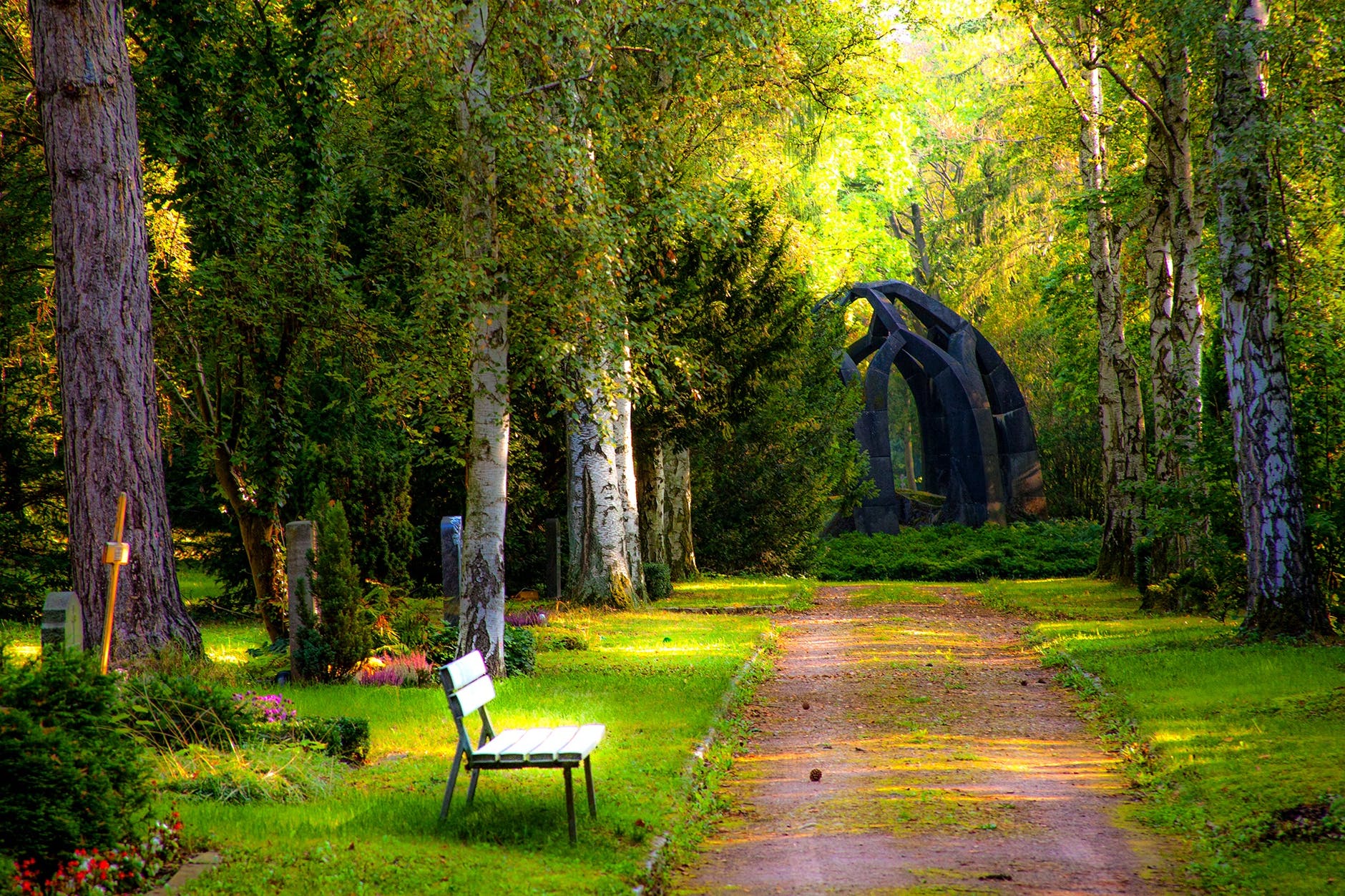
Once upon a time there was a old man who sat on a park bench and he looked angry… he came to this park often, and each time carried anger–crossing his arms, scowl on his face, puffing and huffing every now and then. Each time someone passed the bench they would take recognition of this anger, and they would not approach him, had distance with him, and avoided him. Anger does that sometimes, causes more space in between people….

One day a kid passed by the bench, this kid was familiar with the park and played in the park often. He saw the old man many on the bench and realized that he was not carrying the same scowl he had before, he seemed to have a smirk on his face. His hands were comfortably placed by his sides instead of in the crossed-armed manner they usually were in. The kid went passed this man, looked at him, and then did a double-take in surprise. He noticed this about the old angry man, and then decided to speak to him… “excuse me sir” the boy said… “I notice you in the park sometimes, and I often see you so angry… today it is different and I wanted to see what was going on?” … the old man sat quietly for a second and then responded “today is different, today I am happy”. The boy was curious once more and asked him why he felt this way, to which the old man said ” for years I chased happiness, trying to find it and have it, it did not work. Each time I felt so unhappy with the recognition that happiness wasn’t there. I decided I was tired of trying to be happy, and the most amazing thing happened. When I let go of the chase for happiness, I woke up and recognized that I am the most happy I have been”….

Photo by Pixabay on Pexels.com

(classic moral story)

Opposite Emotions

On emotions & coping skills…

Opposite Emotion in practice for others helping others

Has there ever been a time when you came across someone who was angry? I am going to bet, yes, absolutely. Have you ever found your own emotions becoming difficult when faced with someone else being angry? Probably. Finding the right way to field this emotion can be difficult. Here is a thought to help:

Sometimes confronting anger with anger only creates more anger. Confronting anger with compassion and empathy creates vulnerability and authenticity for the focus person.  Remember to focus and to have focus. It is not about how you feel about the situation, it is about how the person feels about the person.

Let us sit beside each other instead of in front.

I think back on my time working as a clinician in a residential treatment facility for children. This facility was a temporary home to many and had all the necessities your home would, less the 3″ thick plexiglass. A situation happened in the cafeteria to which a family visitation day did not go quite as planned!

Parents had been sitting eating lunch with their children, when a particular set of parents started antagonizing a group of kids who were also eating with their parents. This isn’t a typo, the parents had begun the conflict though the children were in treatment. A particular teen became very quick to anger. One thing led to another and there was a “brawl” ! At the center of this, was a teen who over and over again found herself in many other critical situations similar to this moment of verbal and physical aggression. Even on this particular day she was in several disputes prior to this one. Over and over the course of treatment the teen continued to express motivation to cease poor decisions and have acknowledgement of alternative options. Instead of de-escalating situations this teen was known for instigating disputes, then wanting change after. A viscous cycle to be a part of. To make situations worse in this brawl, there was a four year old sibling visiting as well, and this situations quickly became high risk for that kiddo too. No one really got hurt. Thank goodness. With quick acting team members, and other residents coming to aid and protect (especially the younger kids and the 4 year old), the worst outcome was some ripped clothing and minor bumps and bruises. In focusing on this particular teen who continued to be involved in many disputes during this same day. She acted on her emotions and took little accountability for the impact she had on others. As this clients therapist, and in fact, the therapist for all of the other parties involved as well (go me, right!), I  had a perspective on this.

If people think therapist don’t get angry about events, well, let me tell you I was livid! Knowing the ability of these individuals to identify boundaries only made me think that they were self-serving and clearly and intentionally violated the boundaries of our program and their own firmly set values—I started thinking about the four year old. These teens were Rockstar’s in group, their insight was great, and they had a goodness to them despite challenges they had faced. I became quick to anger. What am I going to say to this kid, how can I be therapeutic to the totality of the situation?… tough internal questions… as I was walking back to the unit to talk, I stopped, took deep breathes, and attempted to push the feeling of anger aside. 

The kiddo was sitting in the dark, wrapped in a blanket, hair a mess, and a flat expression on her face. If ears could actually show steam, she had steam puffing from both ears. She sat with anger resonating and pulsating around her. I reminded myself of my own anger just moments before, and take another deep breath for good measure. I moved slowly, and I sat in front of her, lowered myself to a chair to be mindful not to stand over her. Hey, I’m trying here! Anger still is present, exhaustion too (its been a long day of putting out fires). I look at her, she makes eye contact with me. I say something so profound, so deep, so insightful—“are we sick and tired of being sick and tired yet?” She looks at me, tears fill her eyes but don’t fall to her cheek. She has pride. Her lips are held tight as if she is committed to not exposing her cards. yet there is a slight tremble, nearly unnoticeable. POOF! My anger is gone so profoundly that it never existed. She said “I can’t do this, I don’t deserve to be alive!” the thought “do no harm” crossed my mind, the anger I felt in myself was already far gone and I remember feeling compassion. I said “this was a tough situation” and I gave her a hug. Now, I am not a hugger, never been known to be, and if you see me doing it and call me out, I will deny having done it!  Yet, there are times when we have to remember our focus. It is not about how we feel about someone it is about how that someone feels about themselves. How do we, even in challenge and emotion, provide the space for someone to get to their personal ownership, personal vulnerability, and allow them space for personal growth…

When that hug occurred,  the tears that she refused to let fall on her cheeks poured from her eyes, she spoke about power and the loss of hers, she spoke about challenge and she spoke about her internal struggles, she spoke about desire for difference and conflict within her own mind.  I sat beside her and listened, validated the difficulty, and, then, let her be. –yes later we spoke about accountability and windows of opportunity to be the change and capitalize on situations, but in moments of emotion, logic and reason could not compete with compassion and empathy.

On emotions…

Have you ever heard emotions to be good or bad?

Sometimes I wonder what this label really means and what message it is sending to us…. for example, if you felt sad, is sad a bad emotion? What about guilty is feeling guilty a bad thing? Emotions serve us in some way; they can help us communicate with ourselves, help us communicate with others and help us survive. Makes me wonder if there is a better way to describe the emotional expenses that removes some of the labels and/or judgments we make about the emotion.

Some have referred the the array of emotions as ‘light’ or ‘dark’. This seems like it can be more inclusive to describe the emotion. Dark emotions are those emotions that have a link to being ‘bad’. They are very challenging emotions to deal with. Feeling these darker emotions is normal and by allowing yourself to feel them, you can understand them better and rise above, move past the experience of the dark emotions and also enjoy the ability to manage emotions in healthier, more effective ways. There is a type of energy that comes from having these very intense, almost painful types of emotions, it does send an energy that you might feel more alive, more aware of you being in reality. That rush can be very appealing to a lot of people because at times they might be disconnected from their world. I may give the example of someone who loves suspense movies, the person who is a bit of a daredevil. or even reality TV.

Reality can feel unreal at times and intense emotions can make us mindful that we are here. However, there are parts of feeling intense emotions that make us doubt our ability to handle ourselves. You may feel you’re not able to move past it, that if you were able to really allow yourself to feel that emotion you would not survive. There’s a lot of fear that can come with the emotion that you feel. As if you’re not strong enough. If we do not face these dark emotions and allow ourselves to expience them, we put the emotion on a pedestal. Cutting off the intensity of the emotion. Though just because we do not want to feel it, does not mean it won’t exist. When you do cut that emotion off, you may not know when it passes. You may even go to some extremely unhelpful ways to derail the emotion.

Has there ever been a time when you had an intense emotion, maybe a time that you cried uncontrollably? I sometimes ask this in therapy, and often times I get a quizzical look in return or a little head tilt that says “well yeah, obviously!” Then I ask “how come you’re still not crying?” which cues another odd look… This helps give just a little more insight into how intense emotions can be, and yet even the most intense emotions pass, particularly when you allow yourself the process of feeling them.

Reflecting on intense emotions, we may be able to recall the unhelpful thoughts provoked by the emotion. Sometimes we may think ” this is going to last forever”, “I will never be happy again”, “I can’t handle this”, etc. and yet when people do move forward and the wave of the emotion has passed, they can see that that intensity was relieved. They may even process the purpose of that darker emotion.

Dark emotions can be difficult, but so can the idea of light emotions. Light emotions can be tricky because they feel good. Like the idea of being happy doesn’t sound so bad, right? Though sometimes people may find themselves in this position of “happy” and feel odd, out of place, or that it won’t last. It could be difficult for some who have set the norm of having ‘darker emotions’ or those who find dramatic situations common place, to accept ‘happy’. Feeling happiness and feeling these other light emotions are quite uncomfortable for some, and that can lead to wanting to revert to more familiar ways of being.

Feeling emotions is imperative, and a balance of being comfortable with dark emotions and light emotions can be difficult to find. We have to learn how to be comfortable with all emotions, instead of setting them on a pedestal.